











 EN
EN
 Home
Home

Dialogue · Apologue 2047 Directed by Zhang Yimou | Integration of Diversities, Exploring the Future of Humans and Technology
 Jun.16 2021
 EXCO VISION
What will the world look like in 2047?With the advancement of the times and technology reshaping the world, mach...

What will the world look like in 2047?
With the advancement of the times and technology reshaping the world, machinery has replaced manual labor in production. We can find reflections and predictions of the future in numerous film and television works. The short drama Black Mirror has become a classic portrayal of the future with its imaginative worldview and thought-provoking conflicts.
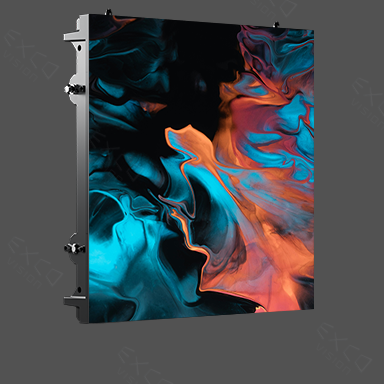
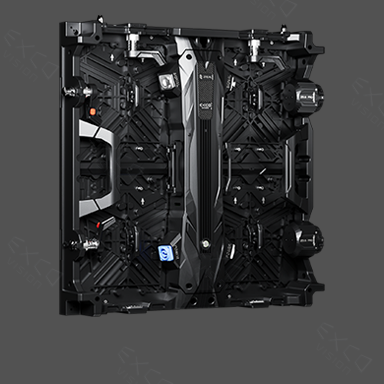
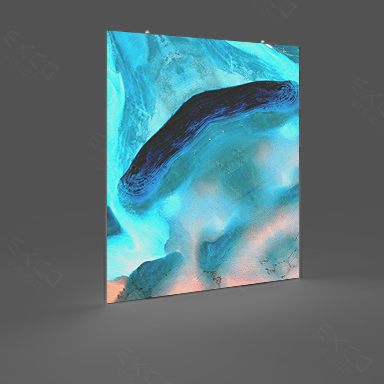
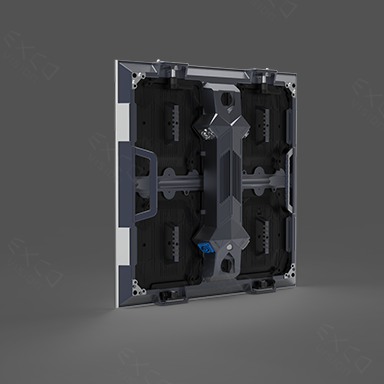
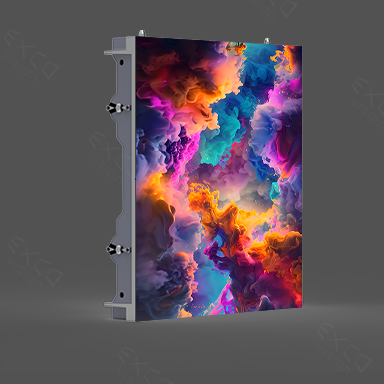
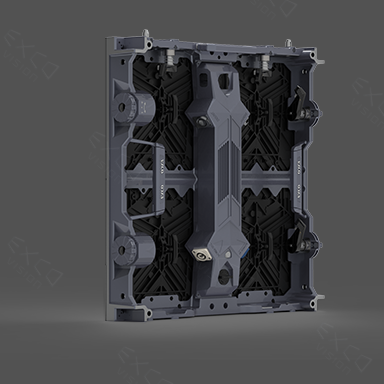
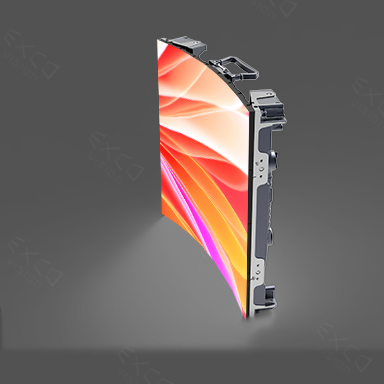
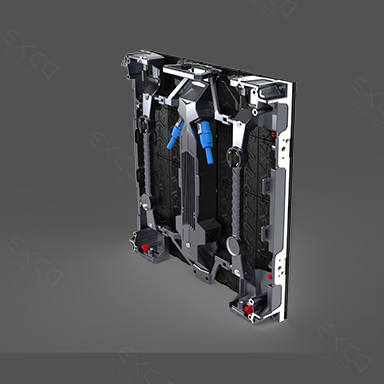
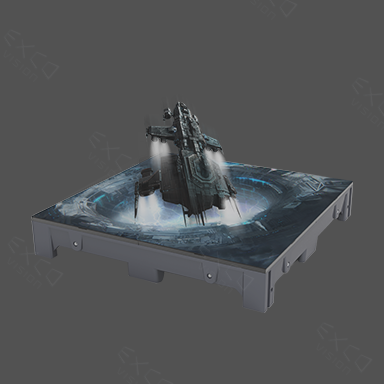
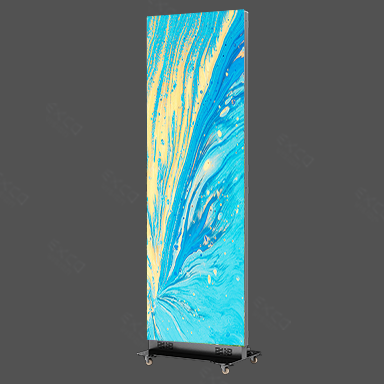
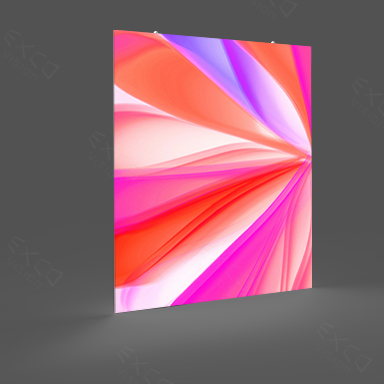
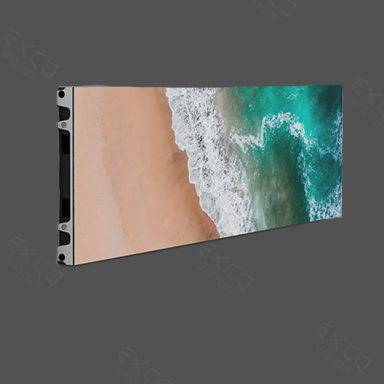
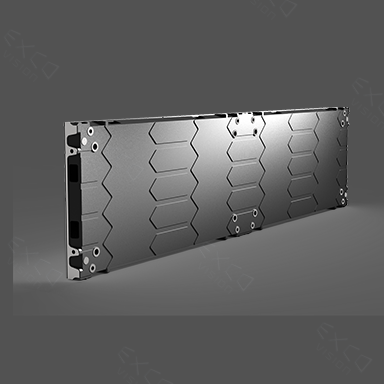
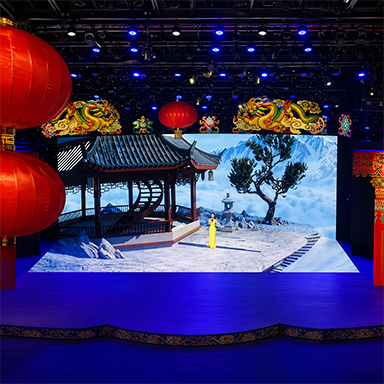
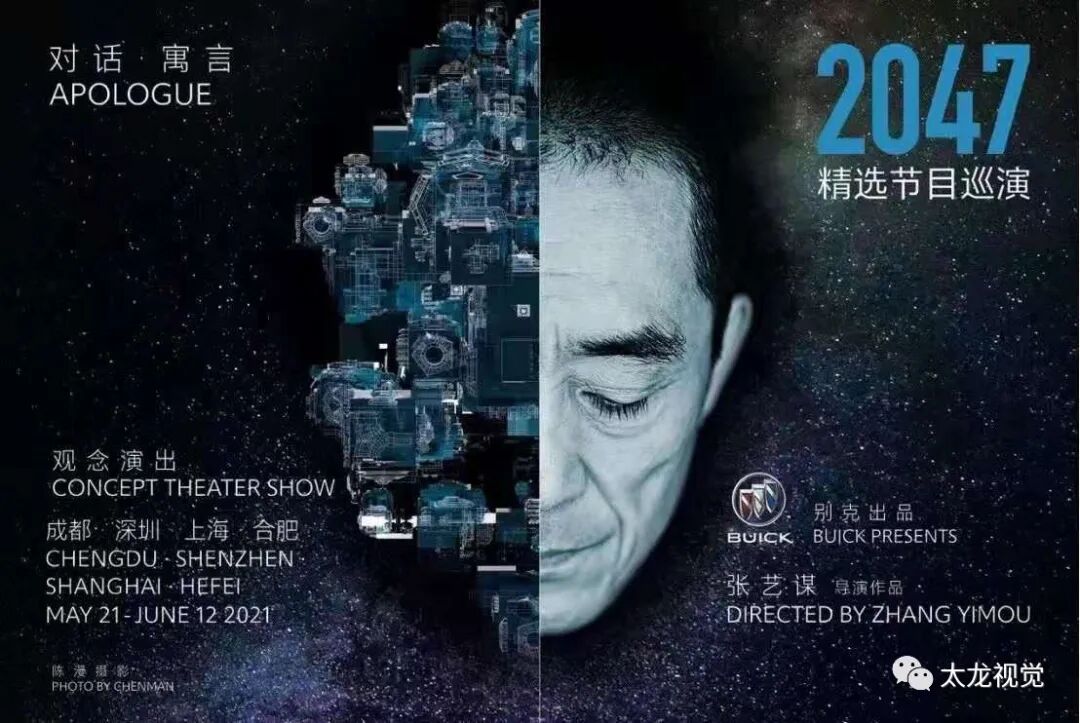
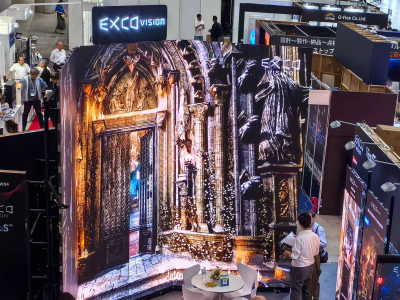
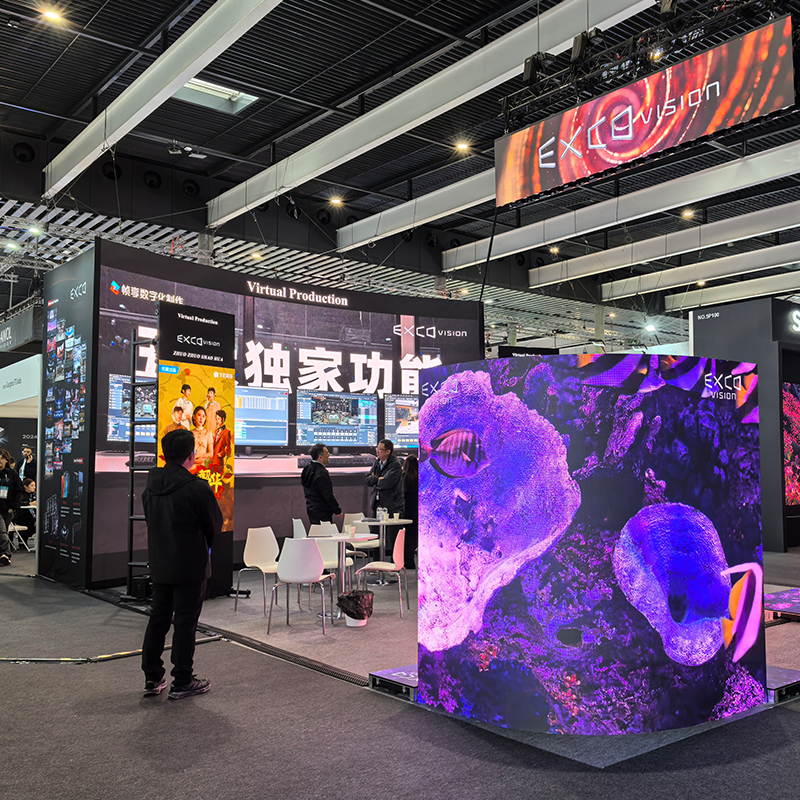
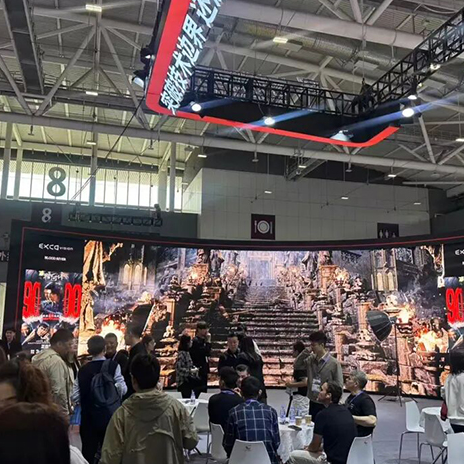
The world aspires for unity, yet everyone harbors unique anxieties and perspectives about the future. Dialogue · Apologue 2047, a conceptual theater show directed by Zhang Yimou, presented by Buick of SAIC General Motors, produced by Beijing Junwei Communication Group, and supported by the Apollo Series LED Displays provided by Shenzhen Tecnon EXCO-Vision Technology Co., Ltd., has kicked off its national tour in Chengdu. The show has met audiences at the Shenzhen Poly Theater on May 28 and 29, and at the Hefei Grand Theater on June 4 and 5. Right after its premiere in Chengdu, the show scored an impressive 9.6 out of 10 from the audience.
Zhang Yimou’s Dialogue · Apologue 2047 is more than just a stage show, and it offers no definitive answers to any questions. Instead, the questions and hidden concerns it raises for the audience are worthy of profound contemplation by everyone.
Phubbers Overly Reliant on Technology
With the arrival of the 5G era, modern people have almost all become phubbers.
We reach for our phones the moment we wake up; we keep our eyes glued to the screens while eating; we stare at our phones even when gathering with friends face to face; and we never fail to check our phones before going to bed. While we enjoy the convenience brought by technology, we are gradually becoming a generation of phubbers.
This is the core reflection of Haozi · Ran—"Are we overly reliant on technology?"
Haozi · Ran conveys to all audiences that in the era of the internet and multimedia, while these technologies drive the progress of our society and country and expand our horizons and realms, we also witness the potential social risks brought by phubbers. As we keep advancing with technology, we must always maintain a balanced relationship between technology and humanity. This issue is closely related to each of us, even if we have not yet realized it.
If Cold Machinery Gains Warmth
We have all seen scenes in many movies where machines or robots awaken to self-awareness and deviate from their preset paths. Despite the rapid development of artificial intelligence today, we still cannot be certain: will the machines we have long relied on become unbridled one day? Or have we always been marionettes controlled by machinery?
Sacred Drums · Shadows is one of the most representative works in Zhang Yimou’s Dialogue · Apologue 2047. Zhang Yimou weaves together seemingly disparate elements—modern dance, robotic arms, drums, throat singing and the horsehead fiddle—and this is far more than a simple mix-and-match.
For the dancers, the greatest challenge in 2047 is achieving perfect synchronization with the machines. Li Yu, the lead dancer, described Sacred Drums · Shadows as an extraordinary work: "It is an extremely technical piece that requires seamless collaboration across all departments and professions to achieve the final stage effect. All my movements and stage positioning must 'communicate' with the shadows cast by the robotic arms, and I cannot see these shadows on the projection screen while dancing. It demands pinpoint accuracy to align with the shadows perfectly."
Through this simple narrative thread, Zhang Yimou expresses that as technology advances, humans are increasingly filled with a sense of anxiety. What if artificial intelligence solves the energy crisis one day? What if AI develops thoughts and emotions? In that process, it may become unstoppable—humans will be no match for it, and even the desire to escape will be in vain.
How Can Humans Avoid Being Replaced?
In the fast-paced digital age, technological development brings us convenience as well as potential risks. An increasing number of jobs will gradually be replaced by software and intelligent robots. How can we master technology amid this tide of the times, and avoid being controlled or limited by it?
On the stage of Cloud Inheritance · Formation, light and shadow flicker, blurring the outlines of human figures—they seem like illusions simulated by technology, yet also like real human beings. Musician Wu Tong plays the sheng, a traditional Chinese musical instrument, leading everyone into the long river of history. Suddenly, electronic music seeps in, its modern beats bridging two distinct worlds.
The sheng, a Chinese traditional instrument with a history of thousands of years, is the world’s earliest instrument to use free reeds, producing a sound as ethereal and pure as a church organ. The fusion of this traditional instrument with contemporary electronic music is a brand-new interpretation of Chinese folk music—it is like creating a new language of dialogue for the era, just as humans have always strived to find a balance with technology. The rich expressiveness of the sheng also seeks harmony with the neat rhythmic sense of electronic dance music.
The anxiety expressed in Cloud Inheritance · Formation is a topic that each of us is destined to face. We begin to ponder: as technology advances, human civilization is gradually being engulfed by the tide of the times. How can we firmly grasp technology in our own hands? How can we avoid being replaced by artificial intelligence?
No one can tell us the definitive answer to what the world will be like in 2047, but we can envision its possibilities. In the Black Mirror-esque future world created by Zhang Yimou, each of us can find our own answers.
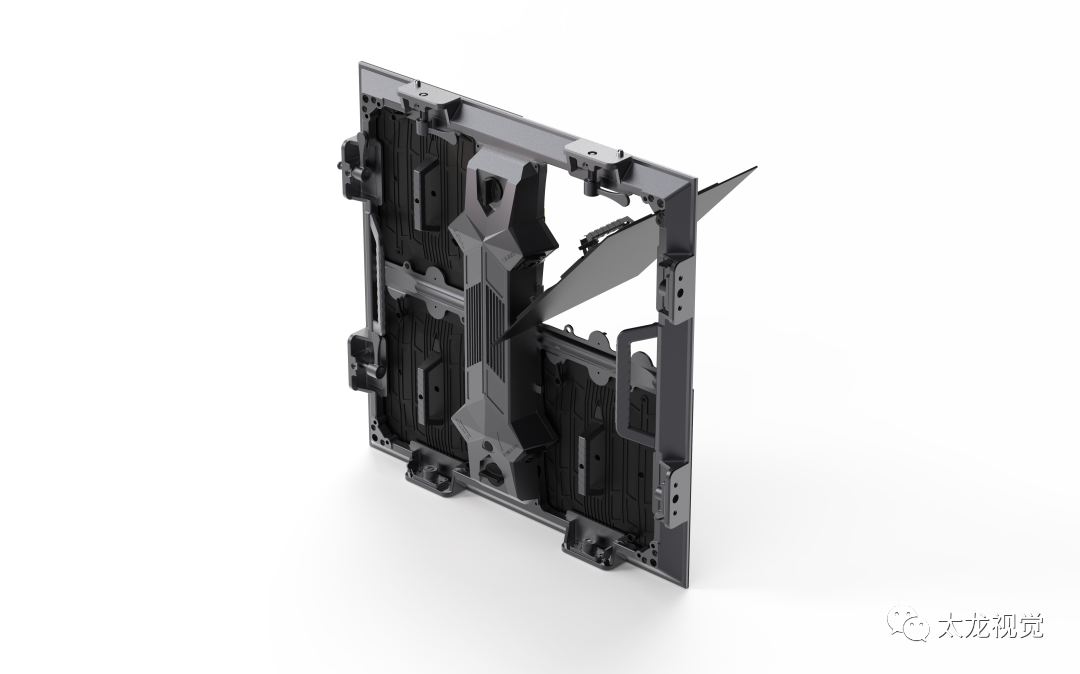
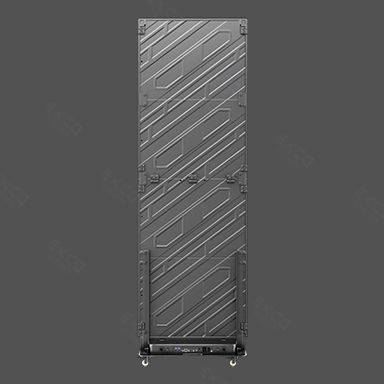
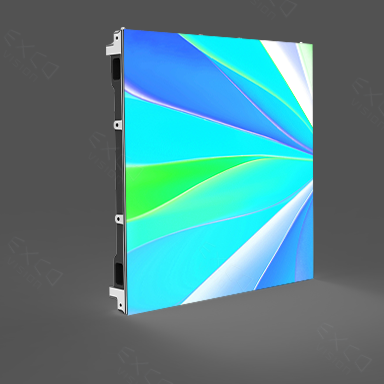
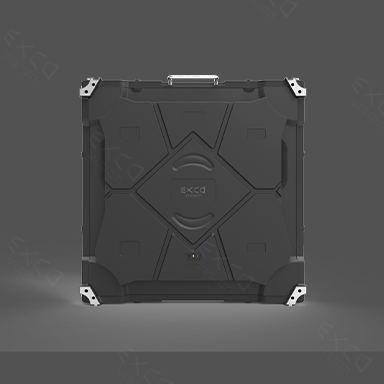
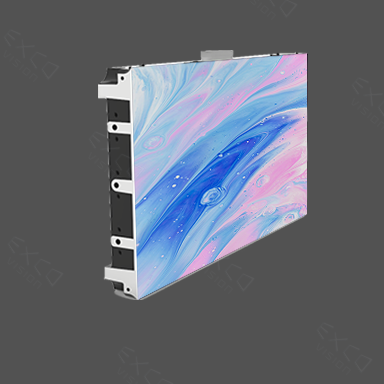
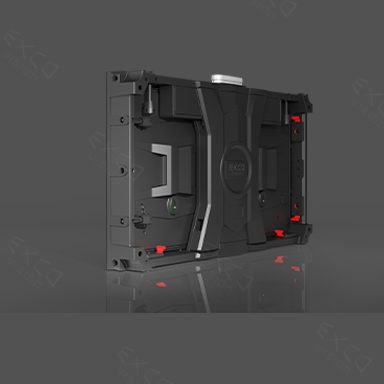
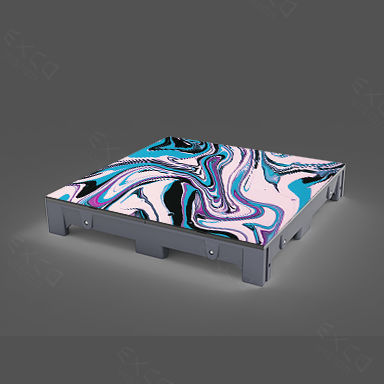
Apollo Product Specifications
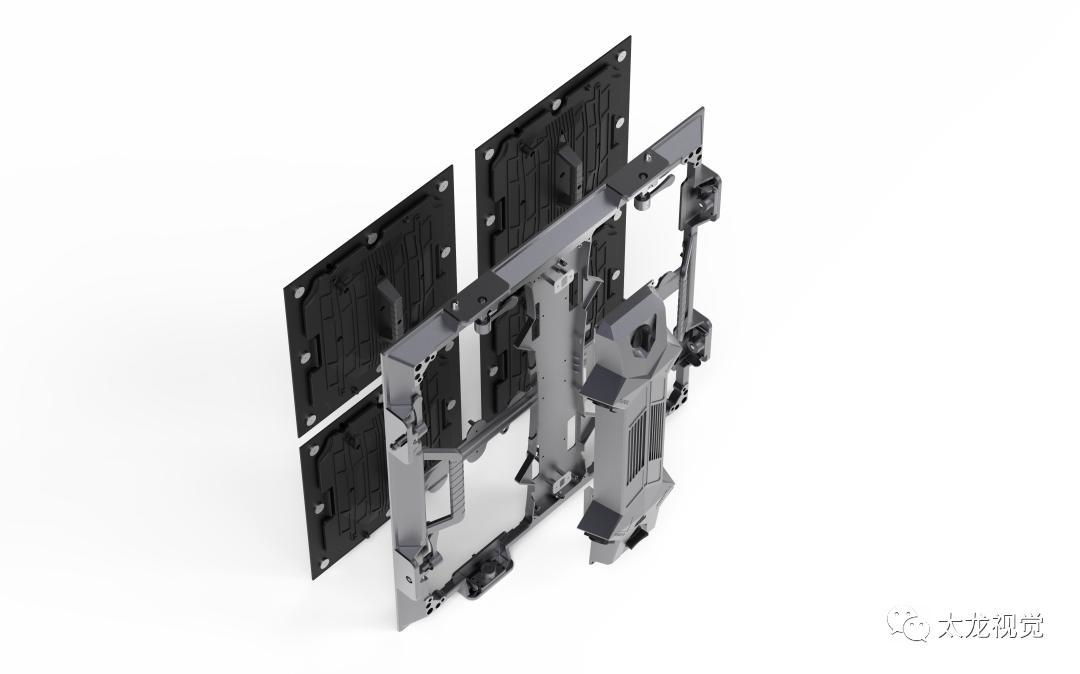
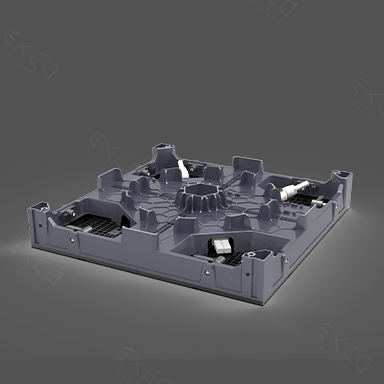
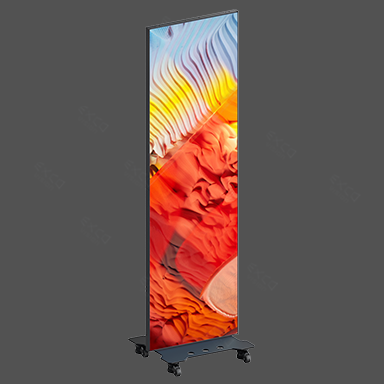
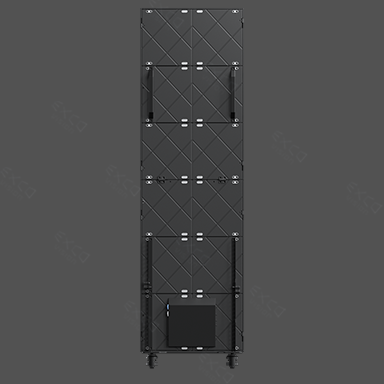
Cabinet size: 500*500mm
Pixel pitch: P1.5






Get in touch
Leader in professional high-definition visual system application solutions for film and television industry





 0086-0756-22223167
  info@excovision.com

